

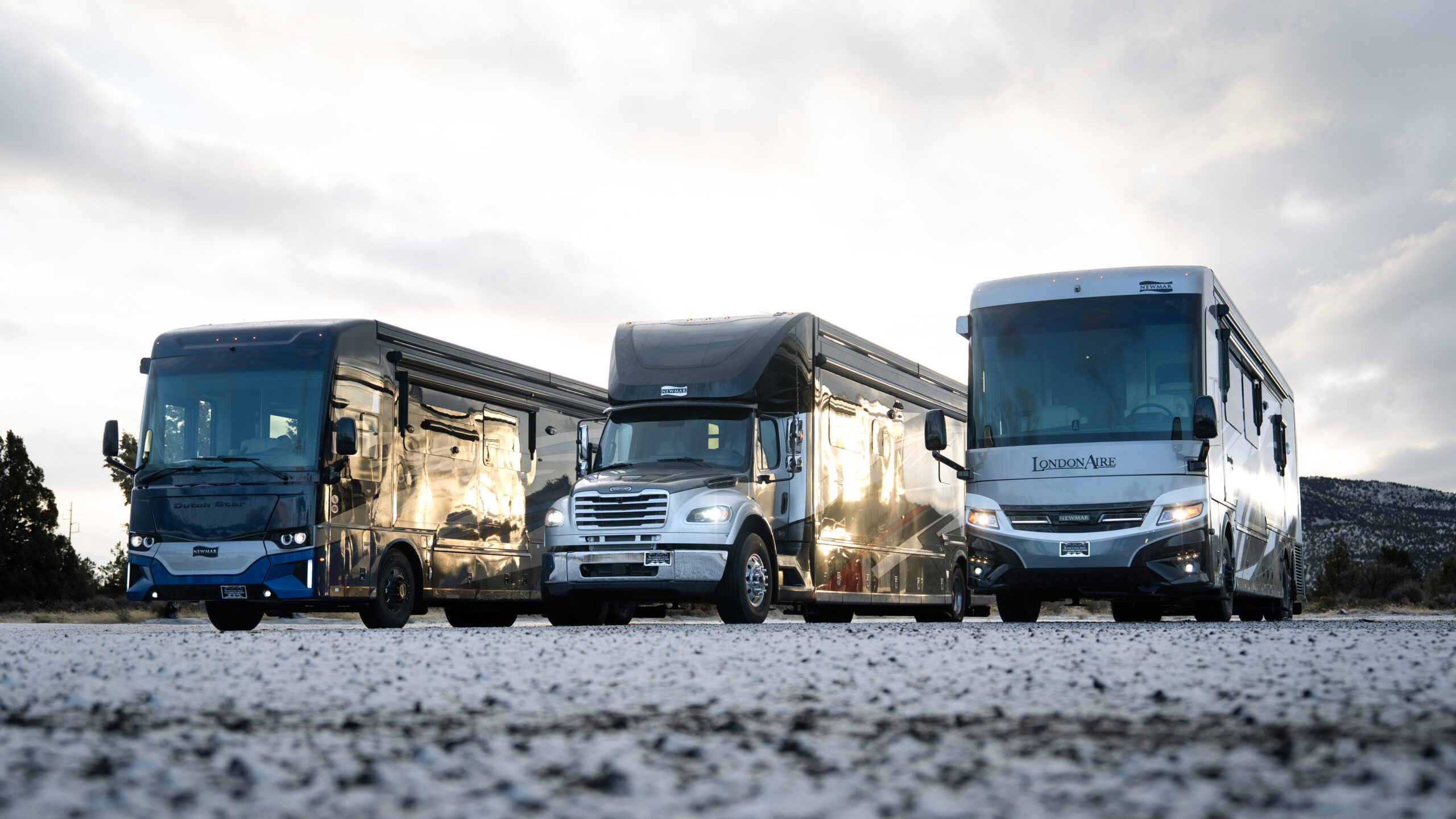
Winter can be one of the most rewarding seasons to travel in a luxury motorhome. Snow-covered landscapes, quieter parks, and crisp mountain air create unforgettable trips, if your coach is prepared. For owners who rely on their RV as both a home and a mobile headquarters, winter travel isn’t about chasing extremes. It’s about maintaining comfort, reliability, and peace of mind no matter the weather.
The following guide shares expert-backed winter RV travel tips designed for luxury motorhome owners and full-time travelers who expect their coach to perform flawlessly, especially when temperatures drop. Consider this your roadmap to a smooth, stress-free winter journey.
Preparing Your Luxury Coach for Winter RV Travel
Winter RV travel starts long before you turn the key. A little prep now prevents breakdowns, frozen lines, and the kind of travel disruptions you work hard to avoid.
Inspect Your Heating & Climate Systems
Your heating system is the heart of a winter-ready coach. Before heading out:
- Run both your furnace and heat pumps to ensure consistent airflow
- Inspect vents for dust, debris, or obstructions
- Test your programmable thermostat or climate system
- Verify that your Aqua-Hot or hydronic heat is functioning smoothly
A reliable climate system not only protects your comfort, it protects your plumbing, electrical, and interior finishes from temperature-related issues.
Seal Drafts & Improve Insulation
Even the most luxurious coaches can lose heat in extreme temperatures. A quick insulation check goes a long way:
- Add foam inserts to roof vents
- Use window film or insulated blinds
- Check door and slide-out seals for cracks
- Consider lightweight RV skirting if staying stationary
These small tweaks help your heating system work efficiently, especially during long stays in colder regions.
Protect Your Water & Plumbing Systems
Frozen water lines are the fastest way to turn an adventure into an expensive headache. Keep water flowing by:
- Installing a heated freshwater hose
- Adding insulation around exposed pipes
- Keeping your wet bay heated or using a small 12V warming pad
- Running your furnace instead of relying solely on heat pumps during freezing nights
If your coach offers tank heating pads, make sure they’re on before temps drop.
Winter Driving Tips for Diesel Pushers
Driving a luxury motorhome in winter requires a calm approach, proper planning, and the right technology. Luckily, most late-model coaches include features that make it easier, especially Newmar diesel pushers equipped with Comfort Drive™, adaptive cruise control, and lane-centering assistance.
Know Your Traction & Tire Requirements
Check your route ahead of time. Some states require snow chains or traction devices in winter. Even if you don’t plan to use them, having them onboard keeps you compliant and prepared for mountain passes.
Also verify:
- Tire pressure (cold weather lowers PSI)
- Tread depth
- Any unusual wear patterns
Practicality and reliability both begin with safe tires.
Manage Braking, Speed & Following Distance
Large coaches take longer to stop in any season, but especially winter. Follow these guidelines:
- Drive 55–60 mph (ideal for control and fuel efficiency)
- Leave extra space between you and other vehicles
- Use engine braking when descending grades
- Avoid sudden steering movements or hard braking
Smooth, steady driving is key to staying safe.
Use Your Driver Assistance Features
Winter driving isn’t the time to ignore the technology built into your motorhome:
- Comfort Drive™ helps correct for wind gusts and icy road drift
- Adaptive cruise control reduces fatigue
- Rear and side-view cameras assist with lane awareness
These systems help reduce mental effort on long winter stretches, a major win for travelers who spend significant time on the road.
Essential Gear for Winter RV Travel
A well-prepared coach is only half the equation. The right winter gear ensures a comfortable, low-stress experience.
Heated Hoses, Skirting & Insulated Compartments
These protect your water systems and underbelly from freezing, especially during weeks-long stays.
Backup Heat Sources
While your main heating system should carry most of the load, having redundancy is smart:
- Ceramic heaters (safe for RV use)
- Hydronic heat backup settings
- Diesel supplements for extremely cold climates
If you value efficiency and hate downtime, backup systems guarantee comfort.
Emergency Tools You Should Always Carry
A quick-access kit helps keep winter problems minor:
- Portable air compressor
- Jump pack and battery cables
- Ice melt (RV-safe)
- Extra DEF
- Flashlights and thermal gloves
Preparedness means fewer delays and faster solutions.
Staying Comfortable During Long Winter Stays
If you’re full-timing, or even just staying in one place for several weeks, winter comfort becomes an art form. (Would you like an additional resource on winter weather safety and preparedness? Click here! https://www.weather.gov/jan/winterweathersafety)
Choose Campgrounds Compatible with Winter RV Travel
Look for:
- Heated or insulated water connections
- Plowed internal roads
- On-site propane refills
- Reliable 50-amp power
For those who value their time, choosing the right location prevents unnecessary service calls or issues.
Manage Moisture & Condensation
Cold air outside + warm air inside = condensation. Protect your interior by:
- Running a small dehumidifier
- Using vent fans while cooking or showering
- Keeping interior temperatures stable
This prevents mold, mildew, and unnecessary wear.
Stay Warm Without Overworking Your System
Balance is key:
- Use area rugs to reduce cold floors
- Keep blinds closed at night
- Avoid blocking furnace vents with bags or shoes
- Run hydronic heat on low overnight
You’ll stay warm without stressing your primary systems.
Maintenance Tips to Prevent Winter Breakdowns
Winter places unique demands on your drivetrain, generator, and batteries. A few routine checks help you avoid costly issues.
Engine & Chassis Care
- Check coolant and DEF levels
- Inspect belts and hoses for brittleness
- Keep fuel tanks at least half full to prevent condensation
Generator & Battery Management
Generators dislike cold starts, exercise yours weekly. For batteries:
- Check charge levels often
- Keep lithium batteries in their recommended temperature range
- Inspect connections for corrosion
Daily/Weekly Quick Checks
Winter travel rewards consistency:
- Look for ice around slide seals
- Monitor tire PSI
- Check basement bay temperatures
- Confirm furnace and tank heaters are running properly
Your coach works hard in the cold, these small habits keep everything running at its best.
Enjoy a Worry-Free Winter Journey
Winter RV travel can be effortless with the right preparation. The goal is simple: stay warm, stay safe, and keep every mile as smooth as the last. When your coach is maintained and winter-ready, you’re free to enjoy the quiet beauty of the season without worrying about breakdowns, frozen tanks, or unexpected delays.
And if you want help preparing your luxury motorhome for winter, our team is here to make the process easy and stress-free, just the way it should be. Click here to learn more about our expert service department! https://www.beavercoachsales.com/service-repair-rvs-dealership–service/